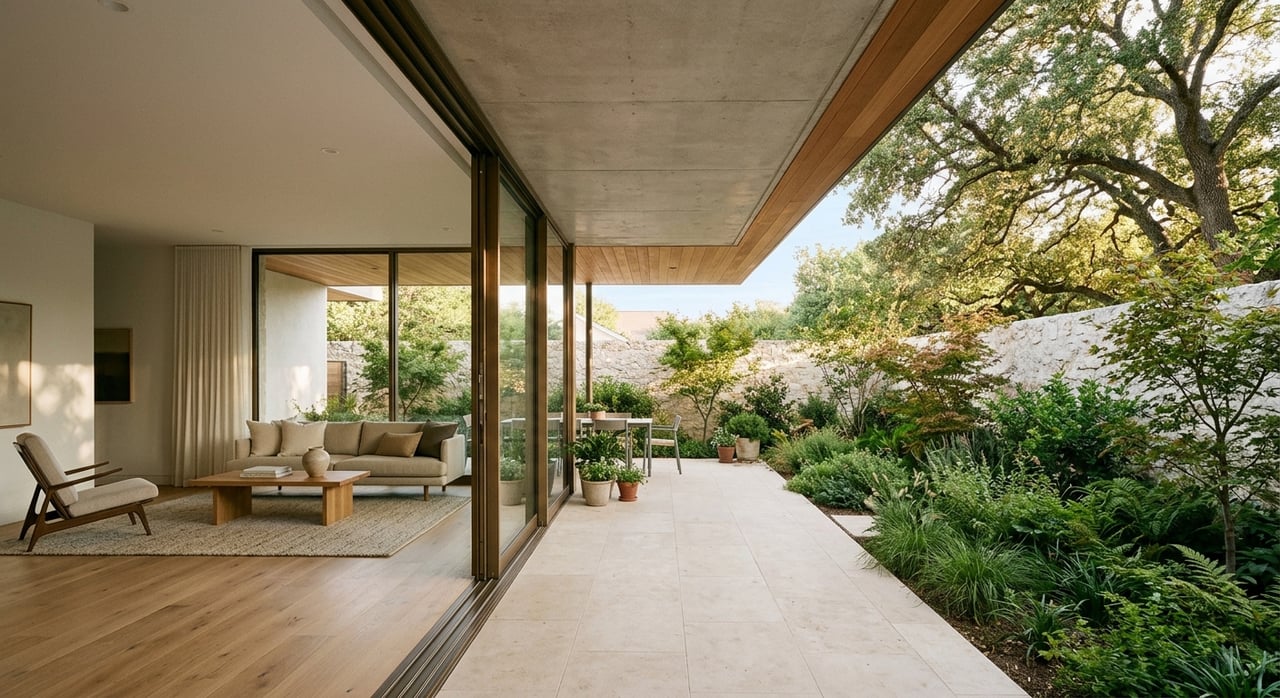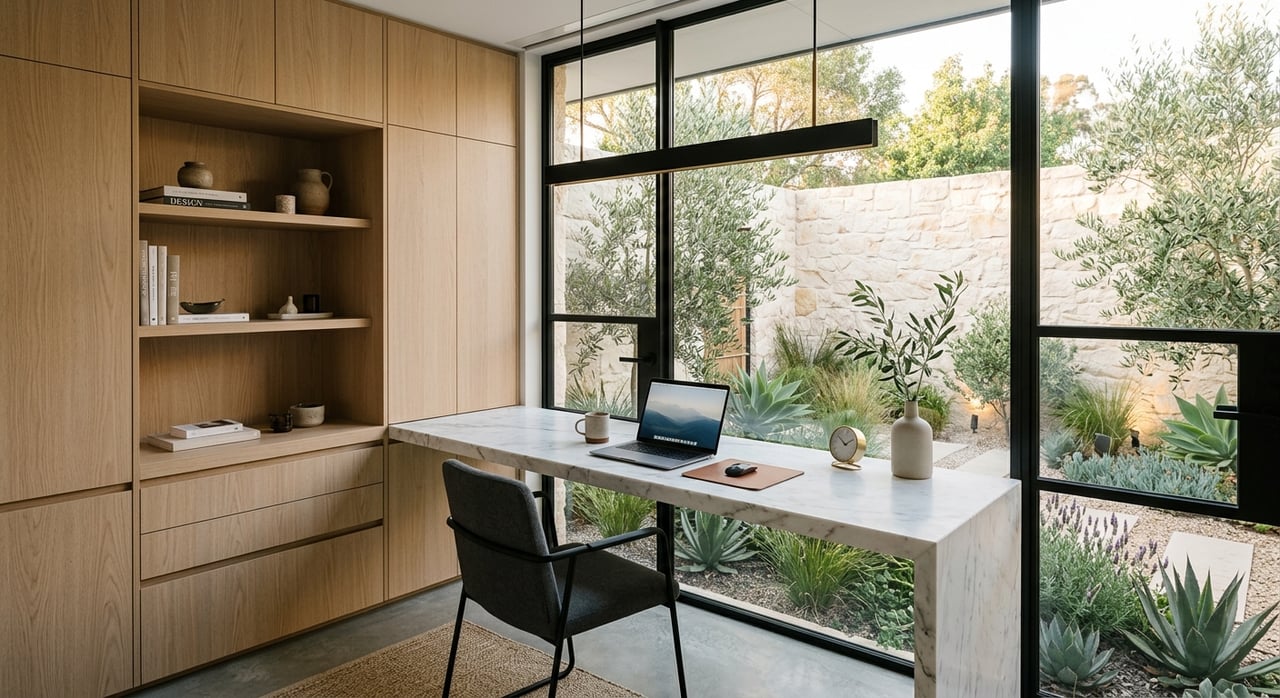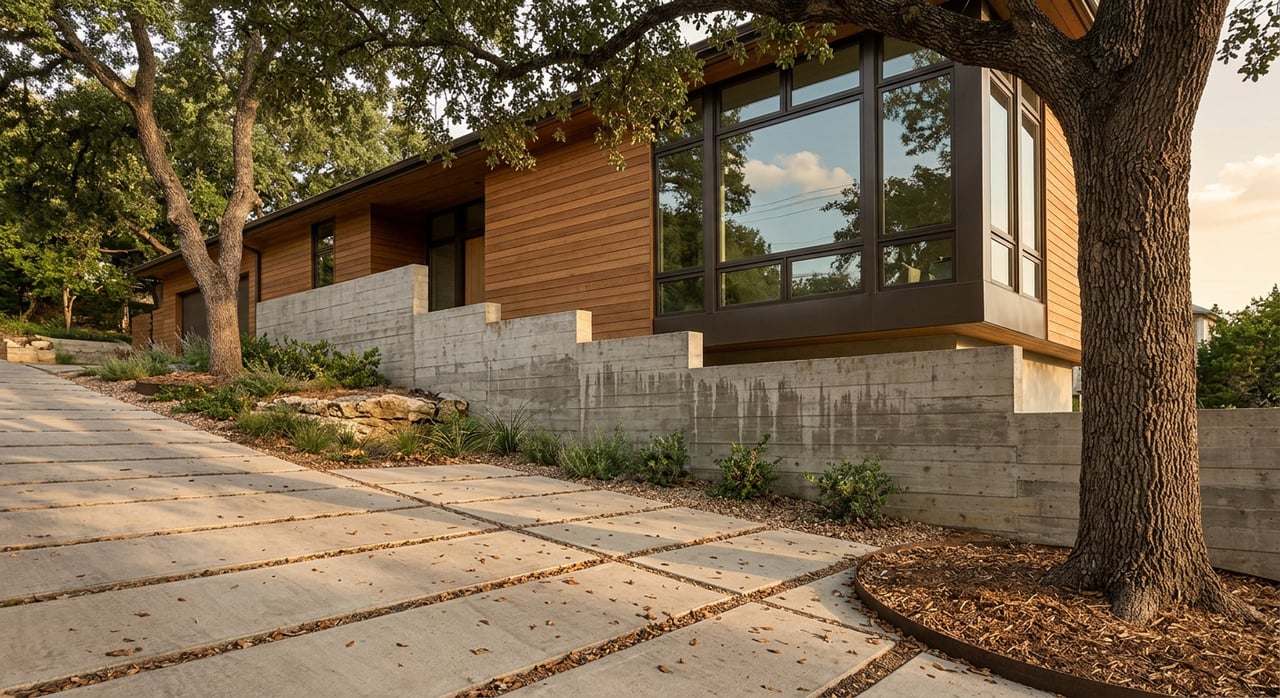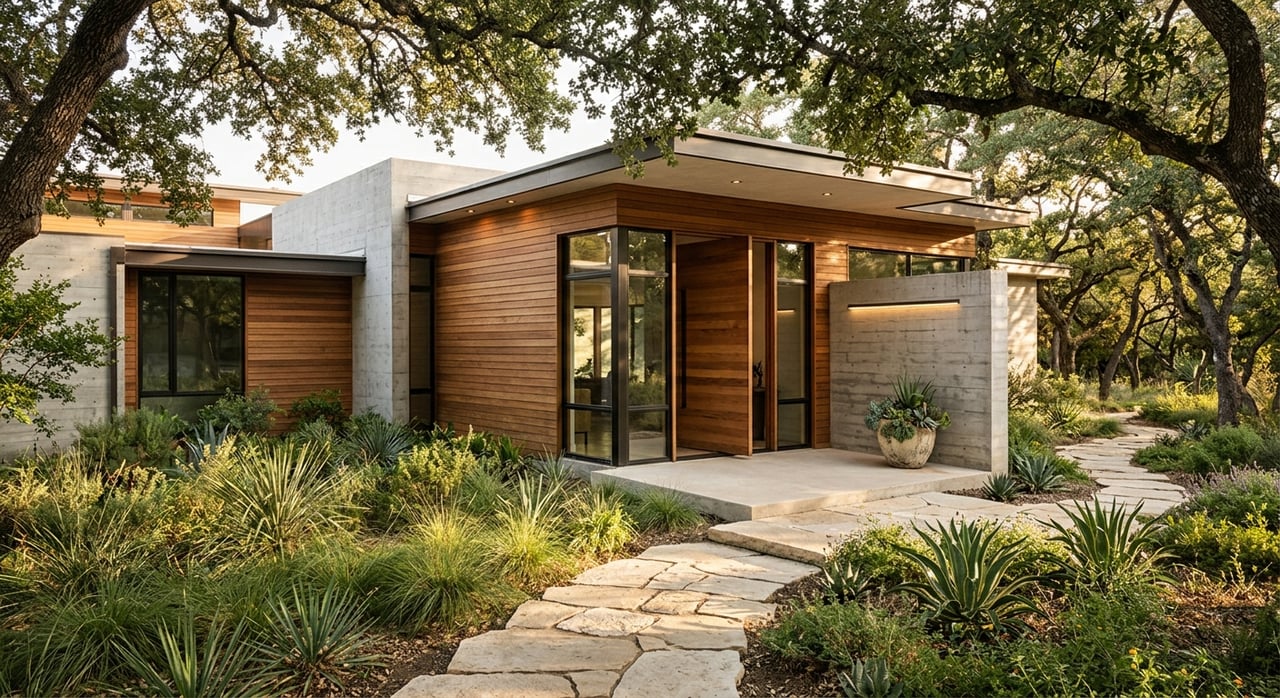
Thinking about building a custom home in West Lake Hills? It is easy to focus on the fun parts like floor plans, views, and finishes, but here, the lot often shapes the house before design ideas ever make it to paper. If you want to build with fewer surprises, it helps to understand how site conditions, city rules, and timing all work together. Here is what you can expect before you buy a lot, during design, and throughout the approval process. Let’s dive in.
Why the lot matters first
In West Lake Hills, custom-home projects are highly lot-dependent. The city advises you to confirm jurisdiction and zoning early, and its building and development FAQs make clear that setbacks, impervious cover, height calculations, tree surveys, floodplain status, septic design, and right-of-way limits all need review before plans are finalized.
That means a larger parcel is not always the better parcel. In many cases, the easier lot is the one with fewer slope, tree, utility, drainage, or access constraints. If a site cannot support your preferred home design without a variance, your timeline and budget can change quickly.
Key lot checks before you buy
Before you move too far into design, it helps to evaluate whether the site is in city limits, what zoning applies, and whether utilities or wastewater access are straightforward. You also want to understand easements, floodplain exposure, topography, and whether the desired footprint can fit within the site rules.
West Lake Hills also emphasizes preserving the landscape in its natural state as much as possible. The city notes that structures should fit natural terrain to reduce tree and vegetation removal, soil disturbance, and added fill, as outlined in its development guidance.
Wildfire planning is part of the process
Wildfire readiness is another practical part of site selection in this area. West Lake Hills participates in Firewise and the regional wildfire protection planning process, and the city notes in its fire safety guidance that WCID 10 requires fire suppression systems for all new homes within its boundaries, as well as for some major remodels and additions.
This does not mean a lot is a bad option. It simply means you should account for fire-safety requirements early, especially when comparing parcels with different jurisdictions or service areas.
West Lake Hills rules that shape design
Once you have a lot, the next step is understanding the local rules that will shape what you can build by right. In West Lake Hills, setbacks, height limits, impervious cover, and tree protection rules can all affect the final layout, footprint, and massing of the home.
For many R-1 lots at or above 0.5 acre, the city’s dimensional standards include a 50-foot front setback, 30-foot rear setback, 25-foot side setbacks, 25% maximum impervious cover, and a 30-foot maximum height, according to the city code. Smaller lots may follow different rules, and some properties connected to city wastewater may qualify for an impervious-cover bonus.
Setbacks and impervious cover
These rules affect more than just where walls can go. The city states that roof eaves and overhangs do not belong in setbacks, and no site disturbance may occur in setbacks. That can make early site planning especially important on tighter or irregularly shaped lots.
Impervious cover is another big design driver. Driveways, hardscape, and certain built surfaces count toward the cap, so the house itself is only one part of the equation.
Height is more technical than it sounds
In West Lake Hills, height is not always measured the way buyers expect. The city requires a current topographic ground survey with one-foot contour lines for height calculations, and on sites with an average natural slope of 25% or more, no part of the principal structure may rise more than 32 feet above natural ground grade directly below, based on the same code section.
On sloped lots, that can significantly affect how you design lower levels, rooflines, and foundation exposure. The code also requires exposed foundations with four or more vertical feet showing to be concealed with dense evergreen buffering if visible from a street or neighboring property.
Tree protection can change the plan
Tree protection is one of the biggest design and cost factors on wooded sites. West Lake Hills requires a tree survey for new construction, limits removal unless allowed by permit or variance, and requires a no-fee permit for certain removals. Trees 14 inches and larger cannot be removed without a City Council variance, according to the tree preservation code.
This is why tree decisions should happen during planning, not after permits are underway. On heavily wooded lots, the house, driveway, grading plan, and drainage strategy often need to be coordinated around preservation requirements from the start.
What the approval process usually looks like
For most custom-home projects, the path is more structured than many buyers expect. The city recommends confirming jurisdiction and zoning first, then using a pre-application meeting if needed before plans get too far along.
From there, your architect and surveyor typically prepare the topographic survey, tree survey, site plan, elevations, and drainage package. West Lake Hills requires applications to be submitted through MGOConnect and the city’s building process, not by hard copy or email.
Build your team early
One of the smartest moves is choosing your builder early in the process. In West Lake Hills, any contractor performing work valued at $25,000 or more must be registered with the city before permit issuance, and most contractors must carry at least $600,000 in general liability insurance, as shown on the contractor registration requirements.
That makes local permit experience more than a nice bonus. A builder who understands West Lake Hills review standards can help you spot design issues earlier and reduce avoidable revisions.
How long permits can take
Timing depends on the complexity of the lot and whether your design fits the code by right. West Lake Hills says larger projects such as new construction or reconstruction may take a few months or longer for permit issuance, with variances adding another two to three months or more. The city also notes that a complete first round of comments is typically issued within three to four weeks after submittal, once the application is administratively complete and fees are paid, per the city FAQ page.
In simple terms, clean submittals and realistic expectations matter. Permitting tends to move more smoothly when the lot has fewer constraints and the plans are well coordinated before submission.
When a variance adds time
If your project needs relief from setbacks, height, impervious cover, tree rules, driveway standards, or related requirements, the process becomes more public and more time-intensive. The city explains that variance requests first go to ZAPCO, and depending on the issue, may then go to City Council or the Board of Adjustment. Applications are generally due about 40 days before the ZAPCO meeting, neighbors within 300 feet must be notified by mail, and a notice sign is usually posted on the property about 30 days before the first hearing, according to the city’s variance and development FAQ.
For many R-1 custom homes, this extra layer may be avoided if the design is compliant by right. That is one reason site feasibility matters so much before you commit to a lot.
Site work and drainage can drive complexity
On sloped or more challenging lots, drainage and grading review can become a major part of the process. West Lake Hills states that site plans are reviewed by city staff and the city engineer, and the city’s drainage manual and application materials show that topography, tree survey data, cut and fill, drainage calculations, utilities, and landscape plans may all be required depending on the project.
This is often where hard lots become expensive lots. A wooded parcel with steep topography can still be a great long-term property, but it usually requires more coordination, more consultants, and more review than a cleaner site.
What budget surprises to expect
West Lake Hills sits firmly in the luxury tier. According to Zillow’s West Lake Hills home value data, the average home value was $1,976,423 as of February 28, 2026. While valuation methods differ across platforms, the broader takeaway is clear: resale values are high enough that custom building can make sense when the lot and final design create real utility and long-term value.
Still, city fees are only one piece of the budget. The current West Lake Hills fee schedule lists a new residential permit at $3,050 plus $0.10 per square foot under 7,000 square feet, or $0.25 per square foot at 7,000 square feet and above, along with drainage review fees of $600, $1,200, or $1,800 depending on the application type, plus a $900 inspections and technical review fee. Tree inspection for new construction is $250.
For a 4,000-square-foot custom home, that puts core city permit and review fees at roughly $4,950 to $6,150 before tree mitigation, survey work, engineering, utility work, consultant pass-throughs, and builder costs. On difficult sites, those added costs can move the budget much more than the base permit fee itself.
Trees and third-party costs add up fast
The city’s fee structure can make tree impacts especially important. West Lake Hills sets tree removal and replacement charges at $200 per caliper inch for nondiseased trees between 10 and under 14 inches, and $300 per caliper inch for trees 14 inches and larger, based on the city fee and code references.
The city also notes that consultant and third-party professional fees may be passed through to the applicant. That is why lots with major tree, grading, drainage, septic, or variance issues often cost more than expected, even when the lot price looks attractive at first glance.
How to reduce risk before you build
If you are serious about building in West Lake Hills, the goal is not to avoid every constraint. It is to understand them early enough to make a better decision.
A practical pre-purchase checklist often includes:
- Confirm whether the parcel is in city limits or the ETJ
- Verify zoning and core dimensional rules
- Review slope, topography, and likely height constraints
- Check tree canopy and likely preservation impacts
- Understand utility and wastewater access
- Identify easements, floodplain issues, and right-of-way limitations
- Ask whether your target home can likely be built by right or may need a variance
- Factor in wildfire-related requirements where applicable
In many cases, the best custom-home opportunities are the lots that support a strong design with limited grading, minimal tree loss, straightforward utility access, and no major variance requests. That usually gives you a clearer budget, a shorter timeline, and a more predictable path from concept to construction.
Building a custom home in West Lake Hills can be incredibly rewarding, but it is rarely a plug-and-play process. The right guidance can help you evaluate lots, understand local rules, and move forward with more confidence before design and permit costs start stacking up. If you are exploring land or weighing whether to build or buy, Courtney Hohl can help you think through the local market, lot potential, and next steps.
FAQs
What should you review before buying a lot in West Lake Hills for a custom home?
- You should confirm jurisdiction, zoning, slope, trees, utilities or wastewater access, easements, floodplain exposure, and whether your planned home can fit the lot without a variance.
How long does it take to get a custom home permit in West Lake Hills?
- West Lake Hills says larger projects like new construction may take a few months or longer for permit issuance, and projects needing variances can add another two to three months or more.
Do tree rules affect custom-home design in West Lake Hills?
- Yes. The city requires a tree survey for new construction, restricts removal, and requires a City Council variance to remove trees 14 inches and larger.
Can a sloped lot make a custom home more expensive in West Lake Hills?
- Yes. Sloped lots often require more survey work, drainage review, grading coordination, and height analysis, which can increase both time and cost.
Are West Lake Hills custom homes subject to wildfire-related requirements?
- In some areas, yes. The city notes that WCID 10 requires fire suppression systems for all new homes within its boundaries.